Travel in 2025 is shaping up to be a fascinating blend of high-tech efficiency and a return to authentic exploration. The days of simply booking a flight and hoping for the best are long gone, replaced by a landscape where strategic planning and digital savvy reign supreme. We are seeing a shift away from over-touristed hotspots toward "dupe" destinations and a heavy reliance on AI to smooth out the logistical bumps. Navigating this new era requires a fresh set of tricks to keep your wallet happy and your stress levels low.
These hacks are designed to help you bypass the common friction points of modern travel. Whether you are trying to dodge exorbitant airline fees or simply want to experience a city like a local rather than a walking wallet, these strategies will serve you well. By embracing new tools and shifting your mindset, you can turn a potentially chaotic trip into a seamless adventure. It is time to upgrade your travel game and move through the world with the confidence of a seasoned pro.
Embracing The Destination Dupe Trend
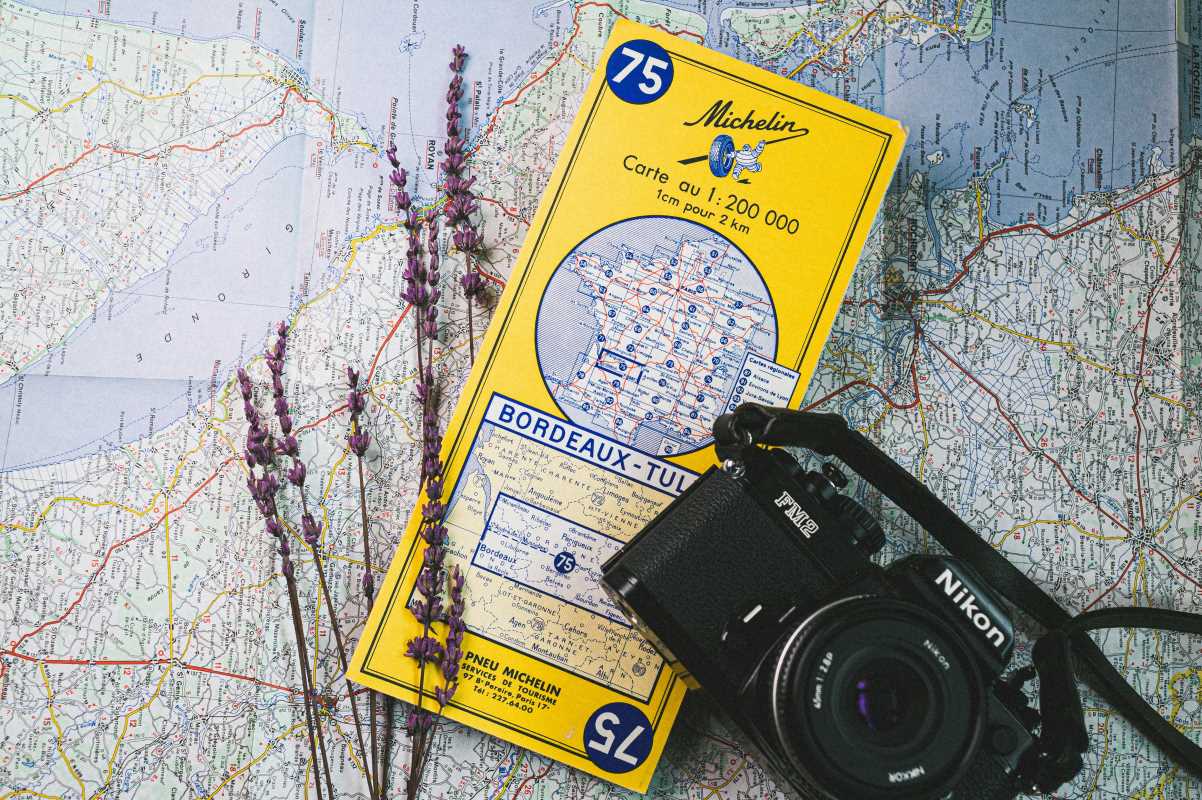
Social media has made popular destinations almost unbearable, with crowds fighting for the perfect selfie spot in Santorini or Venice. The smartest hack for 2025 is to embrace the "destination dupe," which involves swapping out a famous, overcrowded city for a similar but less chaotic alternative. Instead of battling the masses in Paris, you might head to Bordeaux for incredible wine and architecture at a fraction of the cost. Or swap the crowded beaches of Amalfi for the stunning, quieter coast of Puglia. This strategy saves you significant money and sanity.
Finding these dupes requires a bit of research, but the payoff is immense. You get the vibe, the culture, and the beauty without the "overtourism" tax. Local businesses in these alternative spots are often more welcoming, and you can actually walk down the street without getting elbowed. It allows for a more authentic connection with the place you are visiting. You aren't just ticking a box on a bucket list, you are discovering a hidden gem that hasn't been loved to death by millions of other tourists.
Leveraging AI For Itinerary Planning
Planning a trip used to involve dozens of open browser tabs and a mild headache, but AI has completely changed the game. Using tools like ChatGPT or specialized travel AI assistants acts like having a free, tireless travel agent in your pocket. You can ask for a three-day itinerary in Tokyo that focuses on vintage shopping and ramen, and it will spit out a logical, time-efficient schedule in seconds. This allows you to customize your trip down to the minute without spending weeks doing research.
The key is to be specific with your prompts. Tell the AI your budget, your mobility level, and your specific interests. You can even ask it to cross-reference weather patterns or local holidays to ensure you aren't showing up when everything is closed. It is also fantastic for on-the-fly adjustments. If it rains or a museum is unexpectedly closed, you can ask for immediate alternatives nearby. This tech-forward approach removes the logistical burden, letting you focus on enjoying the experience rather than managing a spreadsheet.
Mastering The Art of One-bag Travel
With airlines treating carry-on space like prime real estate and checking bags becoming an expensive gamble, mastering one-bag travel is essential. This isn't just about saving money on baggage fees, though that is a nice perk. It is about mobility and freedom. When you can fit everything into a single backpack or carry-on, you can skip the baggage claim carousel entirely. You can navigate cobblestone streets, catch tight connections, and switch plans instantly without being weighed down by heavy luggage.
The secret lies in packing cubes and high-performance fabrics. Merino wool is your best friend here, as it resists odors and can be worn multiple times without washing. Focus on a capsule wardrobe where every item matches everything else, allowing for dozens of outfits from just a few pieces. By limiting your physical load, you drastically reduce your mental load. You never have to worry about the airline losing your stuff because it is right there with you. It is the ultimate travel flex for 2025.
Utilizing E-sim Technology for Connectivity
The days of hunting for a local SIM card vendor at the airport or paying extortionate roaming fees are over. E-sim technology allows you to download a digital SIM card directly to your phone before you even leave your house. Apps like Airalo or Holafly let you purchase data packages for specific countries or entire regions instantly. You land, turn off airplane mode, and you are immediately connected. It is seamless, affordable, and incredibly convenient for keeping in touch and navigating new cities.
This hack is particularly useful for multi-country trips, as you can switch between regional plans without physically swapping tiny plastic chips. It also keeps your primary number active for two-factor authentication texts from your bank, which is a common headache for travelers. By sorting your connectivity out in advance, you ensure you always have access to maps, translation apps, and ride-sharing services. It removes the anxiety of being disconnected in a foreign place and keeps you safe and self-sufficient.
Booking During the Shoulder Season Sweet Spot
Timing is everything in travel, and the smartest travelers in 2025 are targeting the "shoulder season." This is the window between the peak tourist rush and the off-peak lull. For Europe, this usually means April, May, September, and October. During these months, the weather is often still lovely, but the summer hordes have either not arrived or have just left. Flights and accommodation are significantly cheaper, and you can actually get a reservation at popular restaurants without booking six months in advance.
Traveling during these periods also supports more sustainable tourism. It spreads the economic impact out over the year rather than concentrating it all in July and August, which is better for local communities.